
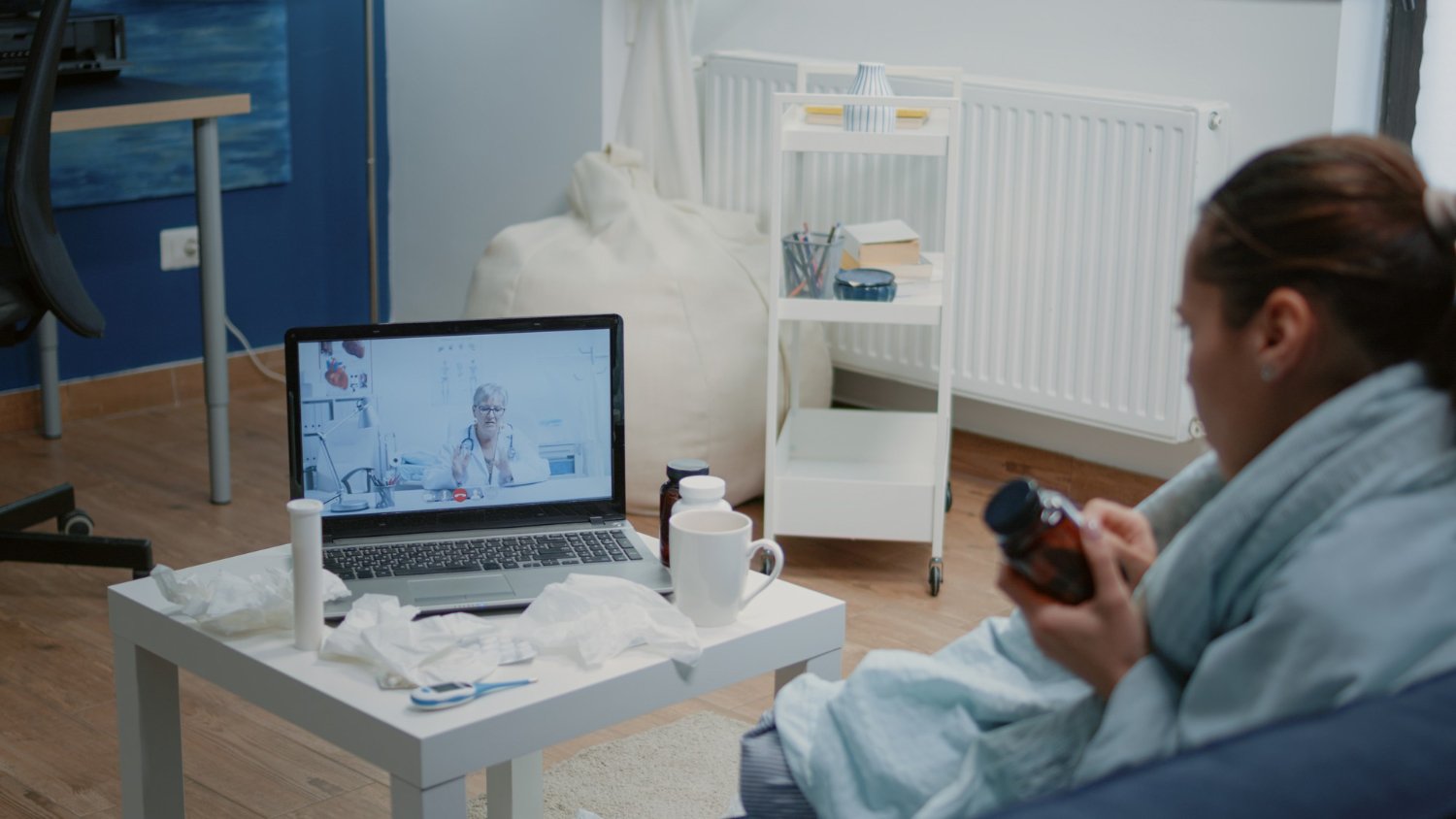
From Emergency Rooms to Virtual Care – The Changing Face of Modern Healthcare
Contemporary healthcare is developing at an unparalleled rate. The routine of the patients queuing in hospitals is gone and is replaced by a digitalized, personalized, and efficient system. There is AI implemented in the emergency rooms, and doctors can see patients online at home. This is not just a technology change; it is a shift in the definition of care provision, access, and experience.
The New Era of Emergency Rooms
The emergency room (ER) has been the core of any hospital where life or death decisions are made within minutes. It is quite different today as the ERs are more different than in the past. The major changes that you will find today includes:
1. Smart Triage and Real-Time Monitoring
In the present day, the emergency departments have sophisticated triage systems that rely on algorithms to categorize patients based on their urgency. As an example, patient flow and waiting times in real time are now monitored using digital dashboards, enabling staff to distribute resources more effectively.
2. AI and Robotic Support in Emergency Care
Stroke, heart attack, and internal injuries are detected through AI-based diagnostic devices that allow a doctor to identify a problem and provide a prompt diagnosis of the patient with a fast image examination. Robots are also coming in to perform duties such as medication delivery or disinfection, which leaves human personnel to attend to patients directly.
3. Telemedicine and Hybrid Treatment Model
Telemedicine has become a part of emergency care in most hospitals today. This is because a distant specialist can evaluate a patient through a video call prior to their arrival so that the correct team to treat the patient is assembled when an ambulance reaches the location. There has been a massive improvement in survival rates in critical cases like cardiac arrest and injuries caused by trauma using this hybrid model.
The Rise of Virtual Care
Even as emergency rooms still save lives, there is another revolution, a virtual care revolution, occurring online.
1. Technology-Driven Healthcare Access
Virtual care applies technology to provide healthcare at a distance. These involve video-based consultations, remote monitoring of patients, and diagnostic smartphone-based services. Patients are now able to communicate with the doctor using applications, communicate medical reports electronically and even get prescriptions at home.
To most, this is the most convenient way to do things. Apple, as an example, a person in a rural community can see a specialist in a city in a matter of minutes, without the need to travel to the city, saving the cost and time loss.
2. Growth of Remote Monitoring and Post-Pandemic Adoption
Hospitals and clinics are spending money on remote monitors wearable ECG monitors, glucose and blood pressure monitors. These devices relay real-time information to the providers, who can come in and act as soon as something suspicious is observed.
This change was hastened by the COVID-19 pandemic. What started as an emergency intervention to ensure continuity of care during lockdowns has come to become a new norm in most regions globally.
AI and Data: The Silent Backbone of Modern Medicine
Data is the driving force behind the observable change in digital health. All services, such as ER monitoring systems, teleconsultations, and so on, generate enormous volumes of medical data.
Big data analytics helps hospitals to take care of patient outcomes, anticipate disease trends, and even prevent readmissions. As an illustration, through the use of wearable devices, AI can predict an asthma attack or a heart-failure episode before it strikes.
The paper files have been phased out of existence by Electronic Health Records (EHRs), which allow doctors to view full patient histories with just a single click. The networked system ensures that care is continuous in that even when a patient visits different specialists, all the doctors view the same information.
Patients can now use AI-based chatbots and symptom checkers to assess minor conditions. Such tools inform users when to treat symptoms themselves or consult medical care and reduce unnecessary visits to the ER and increase the efficiency of the hospital.
Patient-Centered Care: A Cultural Shift
The most significant transformation in the context of modern healthcare is the transition towards patient-centered care and the shift is not limited to technology.
Previously, physicians were concerned about treating a disease once it had manifested. Currently, the focus is to engage patients in every aspect of their health, which is through preventive care, education, and personalized treatment strategies.
Hospitals are now conscious of creating an environment that is comfortable and implementation of feedback tools. They are also involved in the provision of mental-health services in conjunction with physical treatment. Mobile applications enable patients to see records, monitor drugs, and make appointments conveniently.
This model introduces the doctors, patients and families to joint decision making. It fosters trust and enhances transparency, as well as long-term results.
Integration of Home and Hospital Care
Healthcare has begun and ended beyond the walls of the hospital. There is a loss of the separation between home and hospital care.
Now, after surgery, in case of an elderly patient and in individuals with chronic diseases, they can recover at home under the control of a specialist. Smart devices are used to monitor vital signs and send the data to the doctors and a warning to caregivers in case of any abnormality.
Hospitals are working with home-care agencies and online solutions in such a way that patients who leave hospital care in home care receive continuous services. This will minimize readmissions and enhance patient satisfaction and comfort.
Conclusion
Integration is the future of the healthcare industry - the combination of the best of both in-person and digital care. The further development of hospitals will be the transformation of smart hubs, equipped with sophisticated diagnostics and robots, and virtual care will make health services more available and ongoing.
We are headed towards an era where medical care no longer depends on geography or even physical presence. It will be based on information, interconnectedness and personal knowledge. The emergency room in the future may be located both in a hospital and at home, screen, sensor and smart device connected.
Healthcare is not merely curing diseases these days but it is redefining the concept of being healthy.
FAQs
What is the major distinction between modern and traditional healthcare?
Accessibility and prevention with the help of digital tools, including telemedicine and wearables, are the core characteristics of modern care compared to traditional care, which is predominantly real-life and in-hospital.
What is the impact of telemedicine on the healthcare delivery process?
Telemedicine helps patients to consult physicians in any place and time and saves time, finance and hospital overcrowding. It is handy, particularly to the distant or rural folks.
Is virtual care effective as face-to-face visits?
The virtual care can be utilized in follow-ups, minor illnesses, and chronic disease care. However, they also need the visit in person of emergency cases or physical examination in depth.
Which applications of AI in emergency rooms in hospitals?
The use of AI in hospitals is in emergency rooms where patients are triaged, images are analyzed, complications and workflow optimization are predicted, speeding up and improving the process of diagnosis and treatment.
What are the dangers of digital healthcare?
Some of the most vital threats include data breaches, loss of privacy, and unequal access to technology, especially within less fortunate locations.